


Who would have thought that a casual dinner in Central America with friends would hold a statement that would literally foreshadow my future? A friend of a friend said to me that night: “If you understand Dominican Spanish, you’ll be good with all.”
At the time, I never once envisioned I’d be living in the Dominican Republic, feeling like I was learning Spanish all over again.

A year prior to that dinner, I had taken an online Spanish course narrated by a speaker from Spain. It helped me go from knowing absolutely zero Spanish to having some basics.
Being eager to use what I learned, I would casually throw in some Spanish when talking to my friends who spoke fluently. I was surprised that they didn’t laugh or even have much of a reaction. Feeling confident with my very little vocabulary, I was ready to take this on the road: overseas.
My flight was to Panama, where I could practice my Spanish with locals. Most of the Spanish-speaking people there were, obviously, from Panama, then Colombia, Venezuela, Nicaragua, and a few from the Dominican Republic, in that order.
It was a great learning experience. Everyone was so helpful and patient with teaching. I loved the uniqueness of the different accents that they all had. (For some reason when learning Spanish, accents are overlooked, but that’s another story.)
Because I spent the majority of that time speaking and learning Spanish with Panamanians, Colombians, and Venezuelans, I’ve gotten more used to how they speak. Those accents are clearer for me.
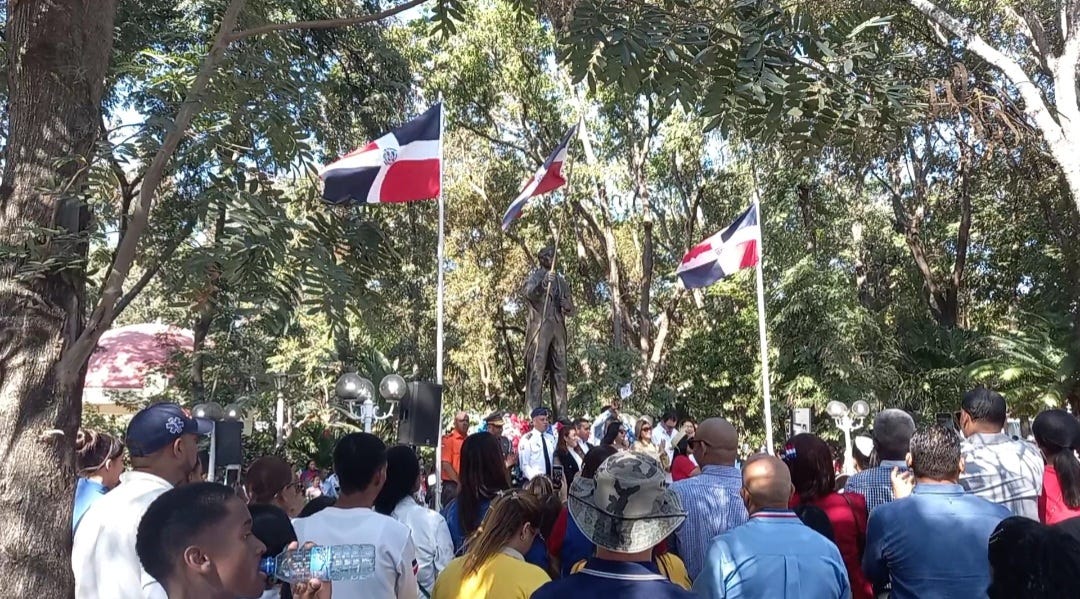
The Dominican accent is unique in its own right. It’s spoken loudly, some words are shortened, many phrases are used only in the DR, and Dominicans speak fast.
Understanding that fast pace has been my biggest struggle of all. Those who speak even a pitch slower, I can make out their words more easily, leading to a much better understanding.
The shortening of words is common. The word “espérate” (wait), for instance, Dominicans often shorten to “pérate.” That one was easy to catch on to, but some of the others may take some more time.
I find that I understand people from Santo Domingo the best. Maybe it’s the delivery of how city people talk.
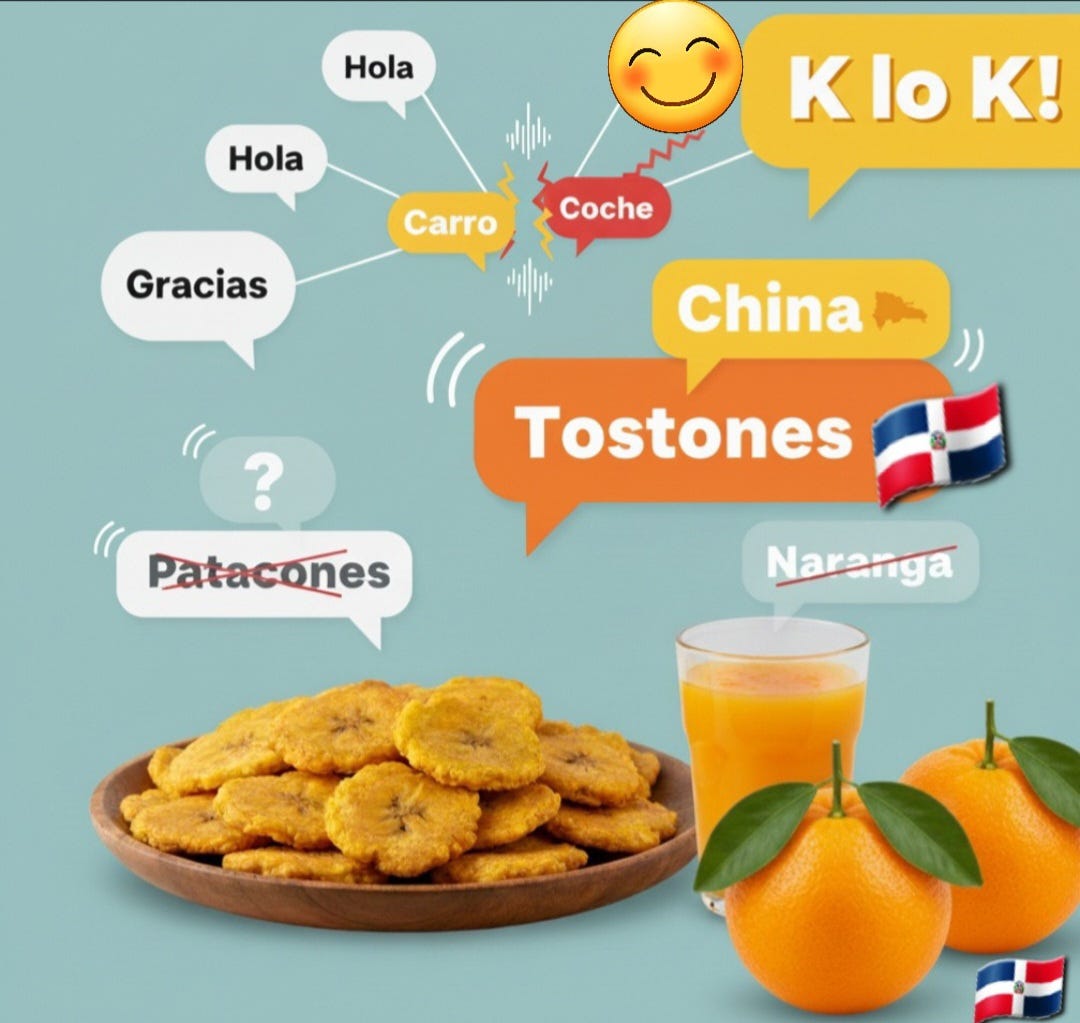
Every country or region in Latin America has its own local phrases. The Dominican Republic has so many that you can easily spot a foreigner just by how they describe something.
Take fried green plantains, for example, a Dominican staple. Before coming here, I learned from other countries to call them “Patacones.” Well, they don’t go by that name in the DR; instead, they’re called “Tostones.”
Now, this next one truly confused me, but I didn’t even ask! In general Spanish, an orange is called Naranja. But in the Dominican Republic, it’s called “China” (pronounced cheena).
Furthermore, some words I learned during that online Spanish course are simply not used here. In fact, many words are used differently between the Spanish of Spain and Latin American Spanish. The word “Coger,” for example, has a totally different meaning in Spain than it does in Latin America, where it is often considered a vulgar word.
I’ve come across so many examples the more time I’ve spent in Latin America.
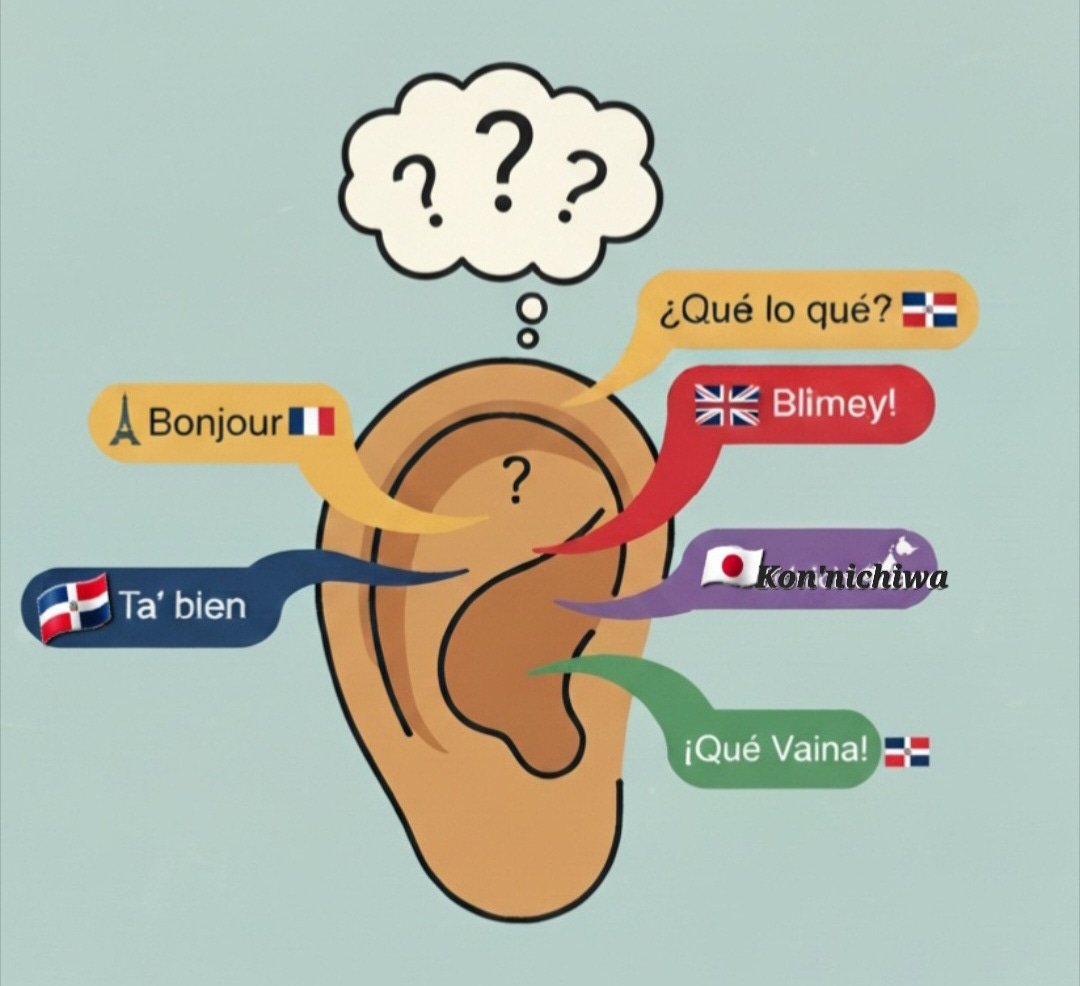
Maybe I should have originally learned Latin American Spanish instead of Spanish from Spain? Heck, I even need subtitles when I’m watching English movies from England!
In my book, accents are intriguing, and we all have one, depending on who’s listening and what region they’re from.
An expat friend of mine only experienced learning Dominican Spanish, and he loves it. I’ve gotta admit, the Dominican Spanish accent definitely adds cool points, lol. It’s a little more challenging for me to catch than the other Spanish accents I’ve heard, but once the person speaking slows down just a bit, it’s much easier to understand.
As you improve your Spanish and spend more time with the Dominican accent, you’ll soon find that it no longer sounds as fast as it once did
Life in Dominican Republic is a reader-supported publication. To receive new posts and support my work, consider becoming a free or paid subscriber.
Yes Spanish in LatAm is so different from that spoken in Spain! Just look at Bad Bunny: the way he pronounces words is literally miles away from Castillano!