

Various Ways to Save Money In The Dominican Republic
The power of the dollar, or better yet, the strength of the dollar vs the peso. The various ways new comers can save money during their stay in the Dominican Republic.

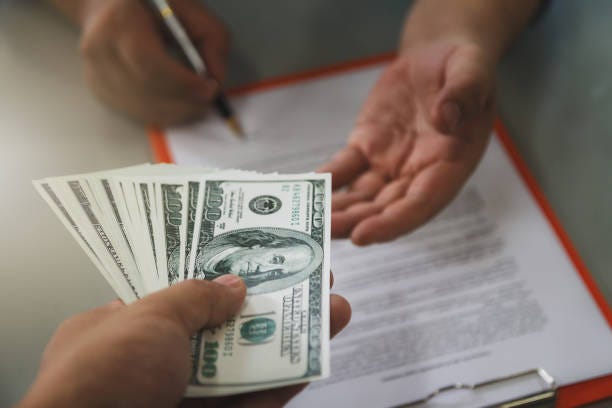
Paying rent in USD
In recent weeks I’ve noticed that the Dominican peso has been losing strength. Selfishly, that excites me lol.
A weaker peso is much more beneficial for a foreigner’s buying power.
The currency conversation I was having with my lady shifted toward renting in USD in the Dominican Republic. I didn’t pay much attention to it before, but I was reminded that there are people here who actually pay their rent in USD.
Yeah, I remember seeing a few rentals listed in USD here and there, but I thought nothing of it. I thought that was just a way of attracting foreigners, and that after signing the lease, payments would be in Dominican pesos (DOP).
That’s actually not the case, which in my opinion should be banned.
For example, what if someone from Canada comes here and finds an apartment to rent in USD? At the time, the Canadian dollar (CAD) is doing well against the USD. Then, months later, the CAD falls on weakness in comparison.
The Canadian would technically now be paying more in rent.
It isn’t just restricted to foreigners either; even local Dominicans go through this. A weaker Dominican peso for a Dominican paying rent in USD is also problematic.
Who wants to pay a fluctuating rent anyway? One month it’s $400 and the next it’s $450.
Now, it could go down too, but the fact that it could go up is why I think this needs to be stopped.
Landlords do what they get away with. The law is on the renter’s side. You can negotiate to pay in pesos, just like the seasoned expats do.
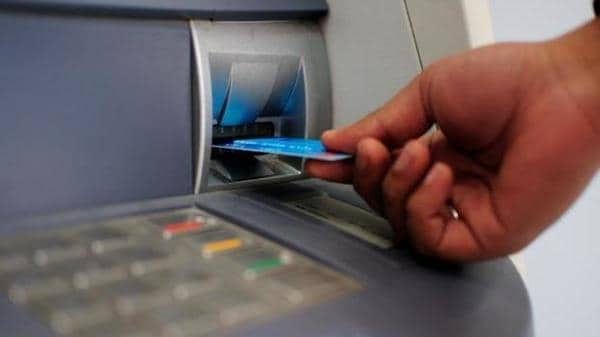
ATM Users
The good old ATM, well, not so good for those of us with foreign bank accounts. These machines used to be my go-to before I moved on to better alternatives that save me money.
Let me just cut right to it: the service fee costs too much and the exchange rate is just as bad. If you are just here on vacation, it is no big deal. However, living in the DR and only using the ATM is like throwing money away. The 300 pesos ($5 USD) combined with the collective service fees really adds up.
Beyond the local ATM fee, your International bank typically adds a flat service charge and a foreign exchange markup.
I have had a few too many issues with these machines. Every now and then there will be no money available. Two of the major banks worked inconsistently for me, with the final straw being a machine rejecting my card with an embarrassingly loud beeping noise while a long line of people waited behind me.
That day was the worst. My Visa/Debit at the grocery store was not working, and neither were the ATMs inside because they were out of cash. Even the machines outside the mall refused my foreign account. I was trying to be as quick as possible because I still had groceries waiting at the checkout.
In all fairness, I never had issues with those particular banks in other parts of the country. My personal preference is banking with Banco Popular, Banreservas, and Scotiabank, in that order. I will refrain from mentioning the names of the banks I no longer use.
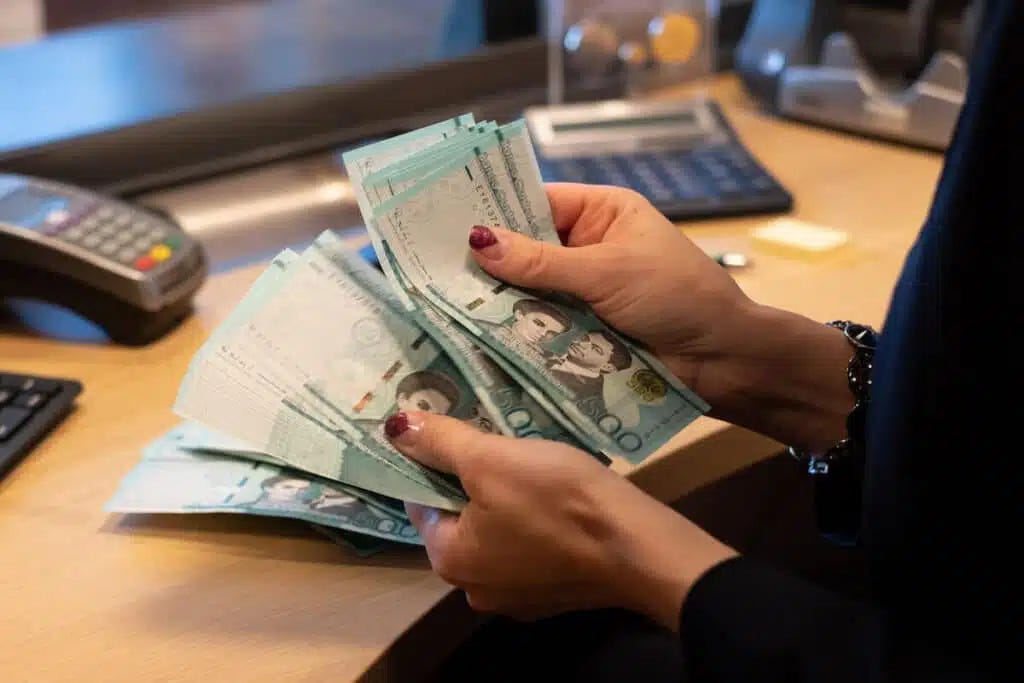
The Best Option: Setting Up a Local Bank Account
I eventually came to the realization that relying on ATMs wasn’t in my best interest. I started looking into what would make more sense for expats, and since I didn’t have a local account or an international one with a presence here like Scotiabank, I had to find a workaround.
For a while, my solution was using money transfer services to send funds from my home account directly to my lady’s Dominican bank account. The savings and exchange rates were far better than the old ATM method, and the money usually arrived in one to three days.
However, the best long-term option is to set up your own bank account here in the Dominican Republic. The process is surprisingly simple, and you don’t need to be a Dominican citizen to do it.
While every bank has its own specific requirements, most will ask for your passport, your local address in the DR, a recent tax return from your home country, and a bank reference letter from your home bank. You will also usually need a small initial deposit to get the account started.
Life in Dominican Republic is a reader-supported publication. To receive new posts and support my work, consider becoming a free or paid subscriber.